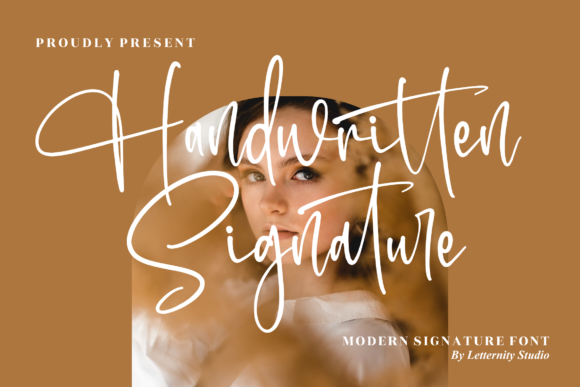
Handwritten Signature: A Premium Script Font for Branding
I still remember the moment I opened a fresh canvas for a new boutique skincare project. The client wanted something that felt organic yet sophisticated, avoiding the sterile look of modern minimalism while steering clear of overly flowery vintage styles. The brief was simple but challenging: "Make it feel personal, like a note from a friend, but keep it professional." That is when I turned to Handwritten Signature. As a graphic designer who has tested countless typefaces, finding a script font that balances elegance with contemporary form is rare. This specific font immediately stood out as a potential hero for the brand identity.
The First Impression and Visual Personality
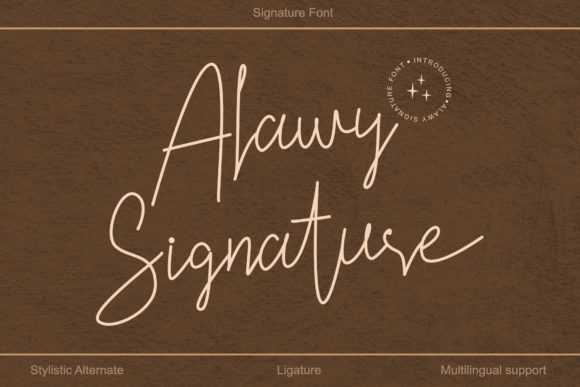
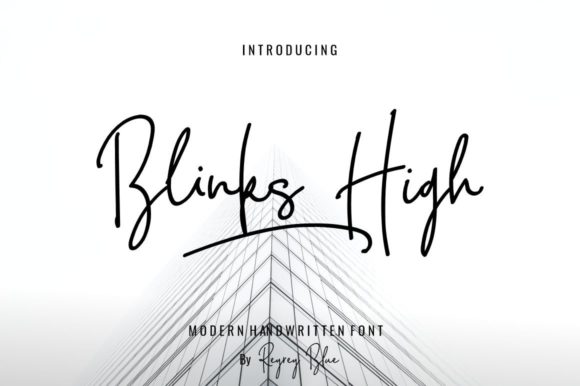
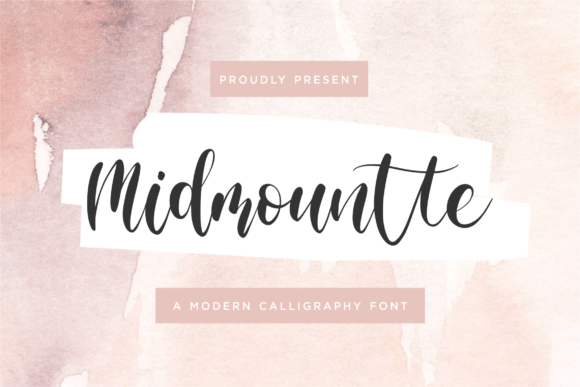
When you first load Handwritten Signature into your design software, the difference is palpable. It is not just another decorative script; it carries an impeccable form inspired by timeless classic calligraphy but refined for today's digital and print needs. The strokes are fluid, mimicking the natural rhythm of a pen on paper, yet they maintain a structural integrity that prevents them from looking messy or illegible. In my initial mockups, I placed the font against a clean, cream-colored background, and the contrast highlighted its elegant curves and sharp terminals perfectly.
The personality of this typeface is warm and inviting without sacrificing authority. For a skincare brand, this duality is crucial. You need the trustworthiness of a medical product mixed with the luxury of a spa experience. Handwritten Signature delivers exactly that. It feels like a premium font that elevates any text it touches, transforming simple words into a statement of quality. The PUA encoding feature was also a pleasant surprise during testing. It meant I could access all the glyphs and special characters directly within my standard design applications without needing complex workarounds, streamlining my workflow significantly.
Testing in Real-World Brand Scenarios
Once the logo concept was approved using Handwritten Signature, the real work began: applying it across various brand touchpoints. The versatility of this script font became apparent as I moved from the logo lockup to packaging design. On small product labels, where space is at a premium, the font remained legible even at reduced sizes. The intricate details did not get lost; instead, they added texture and depth to the label, making the bottle look more expensive than it actually was.
I also tested the font on social media graphics. In the crowded feed of Instagram, a strong visual hierarchy is essential. Using Handwritten Signature for headlines and key quotes created an immediate focal point. When paired with a bold sans serif font for body copy, the combination created a dynamic tension that kept the viewer engaged. The handwritten nature of the typeface made the content feel authentic and human, which is vital for building community around a lifestyle brand.
For printed marketing materials, such as business cards and flyers, the font held up beautifully. The ink flow simulation in the letterforms gave the printed pieces a tactile quality. Even on a shop sign mockup, the font projected a welcoming vibe, suggesting that the interior would be equally curated and thoughtful. It worked seamlessly as a display font, commanding attention without shouting.
Strategic Font Pairing and Hierarchy
One of the most critical aspects of using a script font like Handwritten Signature is pairing. While it is stunning on its own, it shines brightest when supported by the right secondary typeface. In this project, I opted for a clean, geometric sans serif font. The neutrality of the sans serif allowed the flourishes of the script to take center stage without competing for attention. This approach ensured that the visual hierarchy remained clear: the brand name grabbed the eye, while the supporting information was easily digestible.
If you are considering this font for your next project, avoid pairing it with other heavy scripts or highly ornate serif fonts. The goal is to let the unique character of Handwritten Signature breathe. It works exceptionally well as an accent font for pull quotes in editorial design or as a headline font for website hero sections. However, because of its stylistic complexity, it should generally be reserved for short-form text rather than long paragraphs.
Technical Considerations for Designers
From a technical standpoint, working with Handwritten Signature has been a smooth experience. The file formats are compatible with major design software, ensuring that what you see on your screen is what you get in the final output. The inclusion of ligatures and alternates adds another layer of customization. Being able to tweak specific letter connections allows designers to fine-tune the spacing and flow, ensuring the wordmark looks perfect for the specific application.
It is also worth noting the licensing aspect. As a commercial font, it provides the necessary legal protection for client work, whether you are designing a logo for a startup or creating assets for a large marketing campaign. Always ensure you have the appropriate license before deploying a font in a live environment. For freelancers and creative studios, having a reliable library of high-quality, commercially licensed fonts is non-negotiable for maintaining professionalism.
Practical Advice for Implementation
If you are thinking about integrating Handwritten Signature into your design toolkit, start by testing it in isolation. Create a few variations of a logo or a poster header to see how it behaves under different conditions. Check the kerning closely, especially between ascenders and descenders, as script fonts can sometimes require manual adjustment to look their best. Pay attention to how the font renders on different screens and paper stocks. What looks crisp on a high-resolution monitor might need slight adjustments for offset printing.
Consider the context of your audience. If your target demographic values tradition and craftsmanship, this font will resonate deeply. Its connection to classic calligraphy taps into a sense of heritage and authenticity. Conversely, if your brand is ultra-modern and tech-focused, use the font sparingly as an accent to add a touch of humanity to a cold interface.
Final Thoughts on Elevating Your Work
In the end, the success of the skincare branding project came down to the right choice of typography. Handwritten Signature did more than just convey the brand name; it communicated the entire ethos of the company. It bridged the gap between the artisanal nature of the products and the professional standards expected by consumers. Whether you are a freelancer, a brand designer, or a small business owner looking to refresh your visual identity, investing in a high-quality script font can make a significant difference.
This font belongs in the category of Script Amp tools that empower designers to create memorable, impactful work. It is a versatile asset that fits comfortably in a wide range of categories, from packaging design and web headers to merchandise and promotional materials. By choosing a typeface with such impeccable form and contemporary atmosphere, you are setting the foundation for a brand that feels both timeless and relevant. As I finalized the last set of mockups, I knew this was a font I would return to time and again for projects requiring a touch of elegance and a signature style.